Estimated read time: 12 minutes
Roofing and solar contractors share a funny problem: the sale happens before the work, and the sale is mostly paperwork and persuasion. A homeowner wants a number, a picture of what the finished job will look like, and some proof you will still be around if something leaks in three years. Winning that job means measuring a roof you may never climb, producing a polished proposal the same day, tracking a sprawling pile of leads, and then coordinating crews, materials, permits, and insurance adjusters. This guide covers the software that handles that whole arc, how roofing tools differ from solar tools, and how a small contractor can choose without buying an enterprise platform.
Table of Contents
- TL;DR
- Why Roofers and Solar Installers Need More Than a Spreadsheet
- The Four Jobs Your Software Has to Do
- Roofing Platforms, Described by Positioning
- Solar Design and Proposal Tools
- How This Differs From General Construction Estimating Tools
- How to Choose Without Wasting a Quarter
- Building a Process Around the Tool
- Insurance Claims, Storm Work, and Staying Credible
- Mistakes Small Contractors Make With Software
- The Numbers Worth Watching
- What the First Month Should Look Like
- The Bottom Line
- Frequently Asked Questions
- Related Coverage
TL;DR
- Roofing and solar software covers lead tracking, aerial measurements, proposals, e-signature, job management, and invoicing in one flow.
- Roofing-specific names include AccuLynx, JobNimbus, and Roofr. Measurement providers like EagleView and Hover often plug in. Solar design tools include Aurora Solar and OpenSolar.
- Roofing leans on speed of estimate and insurance-claim paperwork. Solar leans on system design, shading, and financing presentations.
- Pick the tool that makes your proposal beat the competitor’s by a full day, because speed to quote wins more jobs than a slightly lower number.
- Always test the mobile app on an actual job site, and confirm you can export your customer and job data.
Why Roofers and Solar Installers Need More Than a Spreadsheet
A roof replacement or solar install is a high-ticket sale with a long fuse. A lead might first call after a storm, ask for three quotes, and take a month to decide. During that month, the contractor who follows up quickly and presents the clearest proposal tends to win. Spreadsheets and sticky notes do not follow up. Software does.
The back half of the job is just as messy. Materials need ordering, crews need scheduling around weather, permits and inspections need tracking, and customers want to know when someone will actually show up. For contractors working insurance claims, there is an extra layer of documentation, photos, and supplements. Each missed step costs money or goodwill. A good platform ties these pieces into a single customer record, so nothing slips between a text message and a truck.
The Four Jobs Your Software Has to Do
Rather than comparing every feature, think in four jobs.
- Sell. Capture leads, schedule appointments, send proposals, and collect e-signatures. This is where most small contractors see the quickest gains.
- Measure and design. Roofers need accurate roof measurements. Solar installers need system layouts, shading analysis, and production estimates.
- Build. Schedule crews, order materials, track permits, and share job status with the customer.
- Get paid. Progress invoicing, payment collection, and financing options for larger jobs.
Many small shops end up using one core platform for selling, building, and paying, plus a specialized tool for measuring or designing. That combination is normal and usually more practical than waiting for a single product that does everything perfectly.
Roofing Platforms, Described by Positioning
As elsewhere in this series, I am describing tools by who they tend to suit instead of quoting prices or plan limits. Details change, so confirm everything in a live demo.
AccuLynx
AccuLynx is a roofing-focused platform that covers the sales and production lifecycle, including measurements, material orders, crew scheduling, and document handling. It tends to attract roofing companies that want a single system from first call to final invoice, and that are comfortable with a more structured process.
JobNimbus
JobNimbus is a CRM and project management tool popular with roofers and other exterior contractors. It is often described as flexible and visual, with a board-style view of jobs moving through stages. Smaller shops that want to customize their workflow often look at it early.
Roofr
Roofr started from the instant-measurement and proposal side of the business and has grown into a broader toolkit for roofers. It can appeal to contractors whose biggest pain is producing fast, professional estimates, which is a strong place to start.
Measurement providers
Companies such as EagleView and Hover provide aerial or photo-based measurement reports that many contractors use for estimating. They can be integrated with a main platform or used on their own. Ask about turnaround time and how corrections are handled, because accuracy affects both profit and customer trust.
Solar Design and Proposal Tools
Solar has its own technical layer. A credible proposal usually includes a system layout on the actual roof, a shading analysis, an estimate of energy production, and a clear presentation of the cost and financing options. That is a lot to assemble by hand.
Aurora Solar
Aurora Solar is widely used for solar design and sales proposals. It tends to be a fit for installers who want detailed design, shading analysis, and polished customer-facing materials.
OpenSolar
OpenSolar positions itself as a design and proposal platform that is accessible to smaller installers. Contractors starting out in solar often include it in a shortlist because of its approachable entry point. Check current terms in a demo.
Solar incentives, tax credits, and net metering rules change regularly and differ by location. Software can present scenarios, but it is not a substitute for current local guidance. Make sure your team verifies incentive details before putting them in front of a customer, and treat any financial projections as estimates, not promises.
How This Differs From General Construction Estimating Tools
We have already covered construction estimating and bidding software, which focuses on takeoffs and bids for broader trades. Roofing and solar are different in a few important ways. The measurement often comes from aerial imagery rather than blueprints. The sale is usually to a homeowner, not a general contractor. And the paperwork can include insurance documentation and financing, which are rarely central to a general bidding tool.
That said, if you also do commercial work, remodeling, or other trades, a broader tool may fit better. Many contractors run one general platform for operations and add a roofing or solar measurement layer on top.
How to Choose Without Wasting a Quarter
Begin with your bottleneck. If you are losing bids because your estimates take days, start with measurement and proposal tools. If leads fall through the cracks, begin with a CRM. If jobs run late because of coordination, start with production scheduling.
Then run a pilot on five real leads. Measure the time from first call to sent proposal, count the number of manual steps, and ask the homeowner what they thought of the proposal. Pay attention to the mobile experience, since much of the work happens in a truck or on a driveway.
Also ask who owns the data. You should be able to export customers, jobs, photos, and documents. In a business where warranties and callbacks can span a decade, your records are an asset, and you do not want them trapped.
Building a Process Around the Tool
Software cannot fix a sloppy process, but it can lock in a good one. A reliable pipeline looks something like this:
- Lead in. Capture the lead, assign an owner, and respond the same day.
- Appointment. Confirm by text, send a quick intro about your company, and show up on time.
- Measure and propose. Generate the measurement and a clear proposal with options, such as good, better, and best.
- Sign. Use e-signature so the customer can approve from their couch. Our guide to e-signature software covers the options.
- Schedule and build. Order materials, schedule the crew, and send the customer a heads-up the day before.
- Close out. Collect photos, invoice, request a review, and add the job to your warranty file.
Insurance Claims, Storm Work, and Staying Credible
Storm season changes the business. Leads arrive in a wave, and competitors you have never heard of knock on doors. Contractors who handle insurance claims need strong documentation habits: dated photos, written scopes, and a clear record of communication with the homeowner and the adjuster. Software that stores all of that on the job record is more than a convenience, it is protection.
Rules about insurance work, contractor licensing, and what you may say to a homeowner about claims vary by state. Learn them, follow them, and when in doubt, consult an attorney or your state licensing board. Nothing here is legal advice. A reputation for straight dealing is worth more than any single storm job.
Mistakes Small Contractors Make With Software
The most common mistake is buying too much too soon. A five-person roofing crew does not need the same configuration as a regional operation with a call center. Start with the modules that fix a visible problem, then add more as the business grows.
The second is leaving the field crew out of the decision. If the foreman hates the app, job notes and photos will quietly stop being recorded, and your system turns into a ghost town. Let your crew try the tools and listen to what slows them down.
The third is neglecting data hygiene. Duplicate customers, inconsistent job statuses, and missing addresses make reports useless. Agree on a few simple rules for naming and status changes, and enforce them from day one.
The fourth is skipping follow-up automation. Automated reminders for unsigned proposals, upcoming appointments, and review requests are some of the highest-return features in this whole category. They run quietly while you are on a roof.
The Numbers Worth Watching
Once your tool is in place, track a small set of metrics rather than drowning in dashboards.
- Speed to first response. How long between a new lead and the first real contact.
- Proposal turnaround. Time from appointment to proposal sent.
- Close rate by lead source. Which channels bring jobs, not just calls.
- Days from signature to start. A long gap invites cancellations.
- Callbacks and warranty claims. Quality problems show up here first.
Review these monthly. Small improvements, such as shaving a day off proposal time, tend to show up directly in revenue because homeowners often choose the first credible offer that arrives.
What the First Month Should Look Like
In week one, import your contacts, set up your proposal templates, and test the measurement flow on a handful of past jobs. In week two, run live leads through the new process and note every friction point. In week three, add the production side: scheduling, material lists, and customer updates. In week four, review your numbers. How quickly did proposals go out? How many leads were followed up? Where did jobs get stuck?
That review is the real payoff. Once your pipeline is visible, you can see exactly where money leaks, whether it is slow follow-up, low close rates on certain lead types, or delays between signature and install.
The Bottom Line
The best roofing and solar contractor software is the one that gets a clear, professional proposal in front of the homeowner before your competitor even returns the call, and then keeps the job organized until the final invoice is paid. Start with your biggest bottleneck, pilot on real leads, confirm you can take your data with you, and be skeptical of any tool that makes simple things feel complicated.
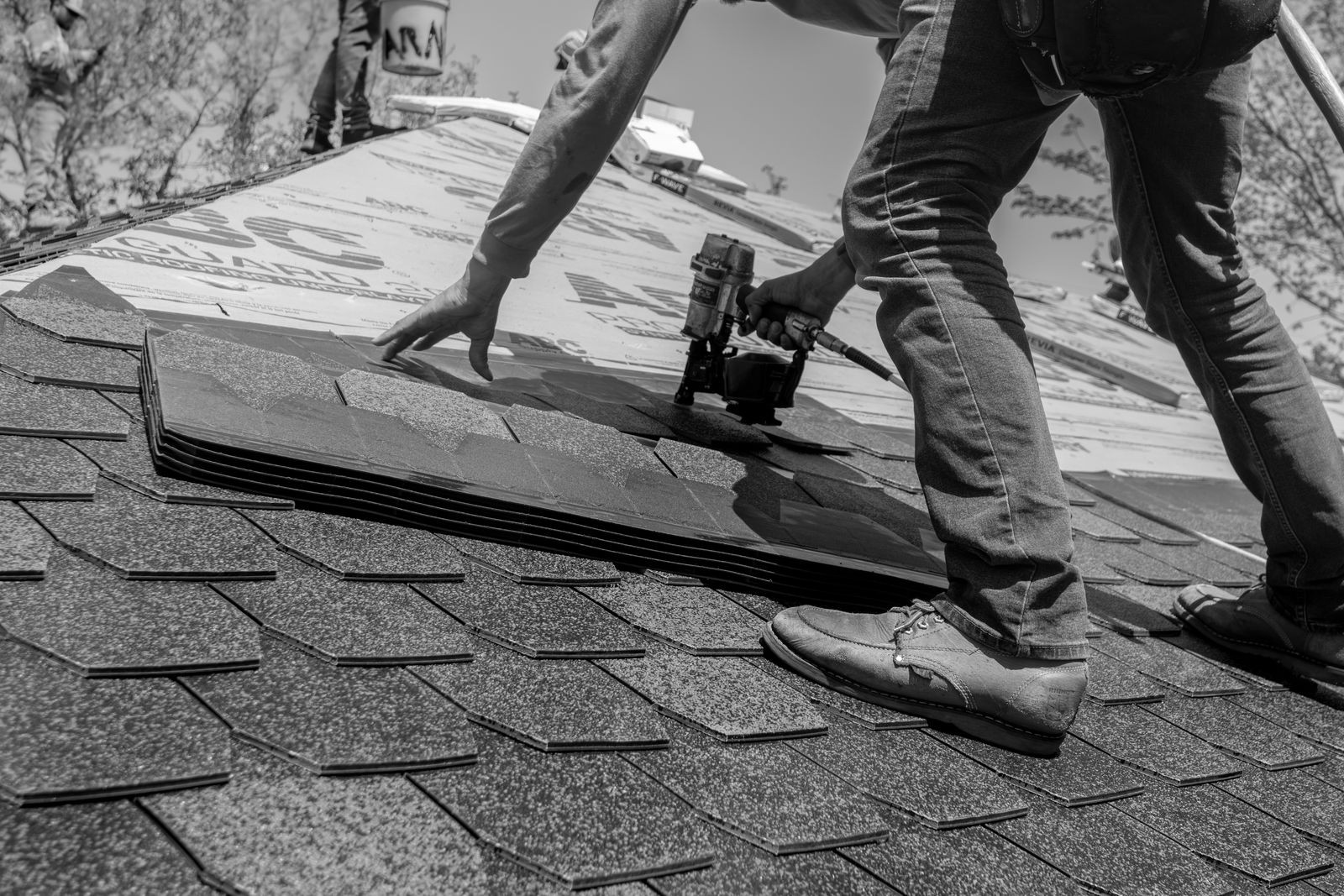
The ladder and the nail gun are still the hard part. Good software just makes sure the hard work gets paid for.
Frequently Asked Questions
Do I need separate software for roofing and solar?
Not always. Many contractors use one operations platform and add a specialized measurement or design tool. If you only do one trade, start with a tool built for it.
How accurate are aerial roof measurements?
They are often accurate enough for estimating, but complex roofs, trees, and recent changes can cause errors. Many contractors verify on site for high-value jobs.
What is the fastest win for a small roofing company?
For many shops it is faster proposals and consistent follow-up. Measurement and proposal tools combined with a simple CRM can cut days from your sales cycle.
Can these tools handle insurance work?
Many roofing platforms support photo documentation and claim-related workflows, but features vary. Ask for a demonstration of your actual process, and follow your state’s rules.
How should I handle solar incentives in proposals?
Verify current incentives and local rules before including them, label projections as estimates, and avoid promising savings you cannot guarantee.
Related Coverage
- Best Construction Estimating and Bidding Software: takeoffs and bids for broader trades
- Best HVAC and Plumbing Software for Quoting and Invoicing: another home services trade tackling the same quote-to-cash problem
- Best E-Signature Software for Small Business: close proposals from the customer’s couch
Faceted Media Magazine covers business, AI, and entrepreneurship for the people building what’s next.