
Dallas–Fort Worth • Business Coaching • Agency Life — A Magazine Feature | June 2026
He Built an Eight-Figure Agency. Now He Coaches Agency Owners with Truth and Transparency.
Meet Russel Dubree. Agency founder turned business coach, host of the An Agency Story podcast, and a refreshingly honest voice on what it actually takes to build a great business.
Some entrepreneurs sell their company and head straight for a beach. Russel Dubree picked up a microphone instead.
Before he became a business coach, Dubree spent the better part of two decades building Lifeblue, the Texas digital agency he co-founded after serving as an officer in the United States Air Force. What began as a scrappy online business grew into an agency of roughly 40 team members and nearly $10 million in annual revenue — and, ultimately, an eight-figure exit.
Most people would call that the finish line. For Dubree, it turned out to be the qualifying lap. Today he coaches agency owners across the country and hosts An Agency Story, a podcast featuring more than 150 first-hand interviews with creative, digital, and marketing agency owners around the world.
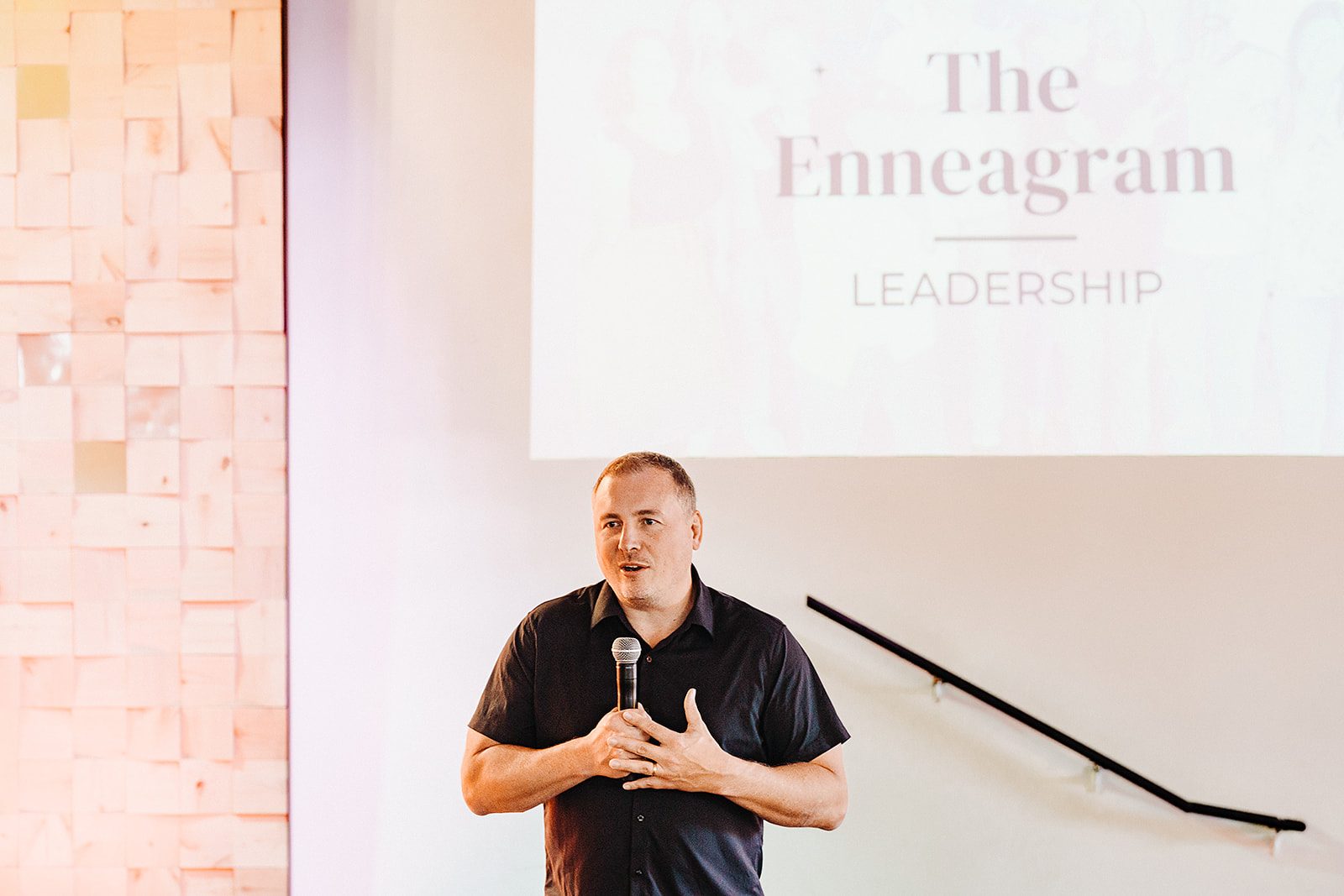
But as he tells Faceted Media Magazine in this Spotlight interview, the leap from successful operator to effective coach was anything but automatic. We asked Russel about the belief he had to unlearn, the philosophy that makes other owners raise an eyebrow, where AI fits into the future of coaching, and what failure really looks like when your job is helping other people change.
Interview with CEO and Founder Russel Dubree:
What’s something you believed about business before you started that turned out to be completely wrong?
For the coaching business specifically, I assumed that because I had been successful as a business owner, I would naturally be able to help others achieve the same results.
What I learned is that success and coaching are two very different skill sets.
My experience and lessons were certainly valuable, but I had to learn an entirely new art form: helping other people see their challenges clearly, arrive at their own insights, and take meaningful action. Knowing the answer is often the easy part. Helping someone remove the obstacles that keep them from acting on that answer is where the real work begins.
I discovered that transformation doesn’t happen because a coach has the right answers. It happens when people gain the clarity, confidence, and ownership to create change for themselves.
Who gave you the best advice when you were starting out, and what did they say?
I’ve received a lot of great advice over the years from coaches, mentors, peers, clients, team members, and thought leaders I’ve never even met.
But rather than pointing to one specific statement, I’d say the best advice came through the support I received from my own business coach for many years, Rich Allen.
Rich consistently helped me reframe my thinking and feel empowered to take action when challenges felt overwhelming or even insurmountable. He was a steady, positive force and a source of knowledge when I needed it most.
The advice, demonstrated more through action than words, was that sometimes people don’t need profound wisdom to move forward. Sometimes they simply need belief, perspective, positivity, and support. That lesson has become a very meaningful part of how I show up as a coach today.
What’s the most counterintuitive thing about how you run your business that other owners might raise an eyebrow at?
One thing that other business owners might find counterintuitive is that I don’t believe building a successful business should be easy.
A lot of people in my space promote growth as a simple formula or a quick path to success. While I’m fanatical about finding simple solutions to complex problems, I don’t believe success itself is simple.
Building a great business is incredibly difficult work. The challenges are nuanced, the decisions are rarely black and white, and if it were truly easy, far more people would have thriving businesses.
What I do believe is that the right foundations make success easier. Clear vision, strong positioning, healthy systems, disciplined execution, and a great team remove unnecessary complexity and friction. But the “easy button” comes much later than most people would like to believe…or most people are willing to promote.
“Embrace the hard work, focus on the fundamentals, and over time the business begins to work with you rather than against you.”
Five years from now, how do you think AI will have changed the way your customers interact with your business?
Five years from now, I believe AI will fundamentally change the way my clients interact with my coaching in two major ways.
An actual bot clone of my brain doing the work for me? Just kidding. But a more “diet version” of a similar idea might be true.
First, AI will dramatically improve the retention and accessibility of knowledge. Every coaching conversation, insight, decision, and framework can be captured, organized, and made instantly accessible. Instead of valuable lessons fading over time, clients will have a living repository of our work together that they can reference whenever they encounter a challenge or opportunity. This will reinforce learning, improve decision-making, and help create more consistent execution.
Second, AI will elevate the level of our conversations. Many day-to-day questions, tactical decisions, and implementation challenges will be addressed through AI systems informed by our coaching history, business context, and strategic priorities. Rather than spending our time solving routine problems, we’ll be able to focus our conversations on bigger opportunities, deeper strategic thinking, leadership challenges, and long-term business improvement.
In many ways, I believe AI will extend the value of coaching between sessions. Instead of replacing the coach, it will make the coach’s insights more accessible and actionable. The result is that clients will have greater support in their day-to-day work while our time together becomes increasingly focused on the highest-leverage decisions and opportunities.
What does failure actually look like in your world — and how do you process it and move forward?
Failure in my world is when a coaching engagement doesn’t create meaningful change.
Not everyone I work with will achieve the results they hoped for, and over time I’ve learned that coaching success requires more than expertise or good advice. It requires readiness, commitment, and a willingness to make difficult changes.
Early in my coaching career, I probably believed that if I cared enough, worked hard enough, or had the right insight, I could help anyone. What I’ve learned is that I can’t want change more than someone else does.
Sometimes life circumstances get in the way. Sometimes priorities shift. Sometimes a business owner simply isn’t ready to make the changes required to reach the future they say they want. And occasionally, despite everyone’s best intentions, the fit just isn’t right.
I’ve learned to process those situations by being honest with myself and with my clients. One of the most important muscles I’ve developed is the willingness to end an engagement early when I don’t believe it’s creating the impact it should. Those conversations are uncomfortable, but they’re often more valuable than allowing an engagement to slowly fade away.
I’d rather tell someone the truth than have them leave believing coaching doesn’t work, that they’re incapable of change, or that they’ve simply wasted their time and money.
Failure still disappoints me because I care deeply about the people I work with. But I’ve come to accept that my responsibility is to create the conditions for transformation, not to force it. The client has to walk through that door themselves.
“I can’t want change more than someone else does.”
Beyond revenue and growth, what impact do you most want your business to have on the world?
Beyond revenue and growth, I want my business to help good people build businesses that have a meaningful impact on the world. I have two passions that come together in my work. The first is helping small businesses become extraordinarily successful. The second is empowering voices that often go unheard.
Too often, the people who are creating genuine value, caring deeply about others, and trying to do the right thing are overshadowed by louder voices, selfish motives, or their own self-doubt. Many of the business owners I work with don’t lack talent or capability — they simply underestimate the value they bring to the world.
I want to help those people step forward with confidence. The thoughtful leaders. The people who care about their employees, customers, and communities. The people who believe business can be both profitable and principled.
Businesses have an enormous influence on the world. They create jobs, shape communities, and affect the lives of countless people every day. My hope is that by helping more good people build stronger businesses, I can play a small role in ensuring that the businesses with the greatest influence are led by those with character, integrity, and a genuine desire to make things better.
If I can help elevate those leaders and amplify their impact, I’ll consider that a success far beyond revenue.
Connect with Russel
An Agency Story
Business coaching, mastermind groups, and resources for agency owners — built on real-world, eight-figure agency experience.
anagencystory.com
An Agency Story Podcast
150+ episodes of first-hand stories from creative, digital, and marketing agency owners around the world.
Listen on Apple Podcasts or wherever you get your podcasts.
Follow Russel
LinkedIn
Interview conducted through Faceted Media Magazine’s Spotlight on You! feature series. Photography courtesy of Russel Dubree / Riley Glenn Photography.